


La Loma, September 11 of 2026
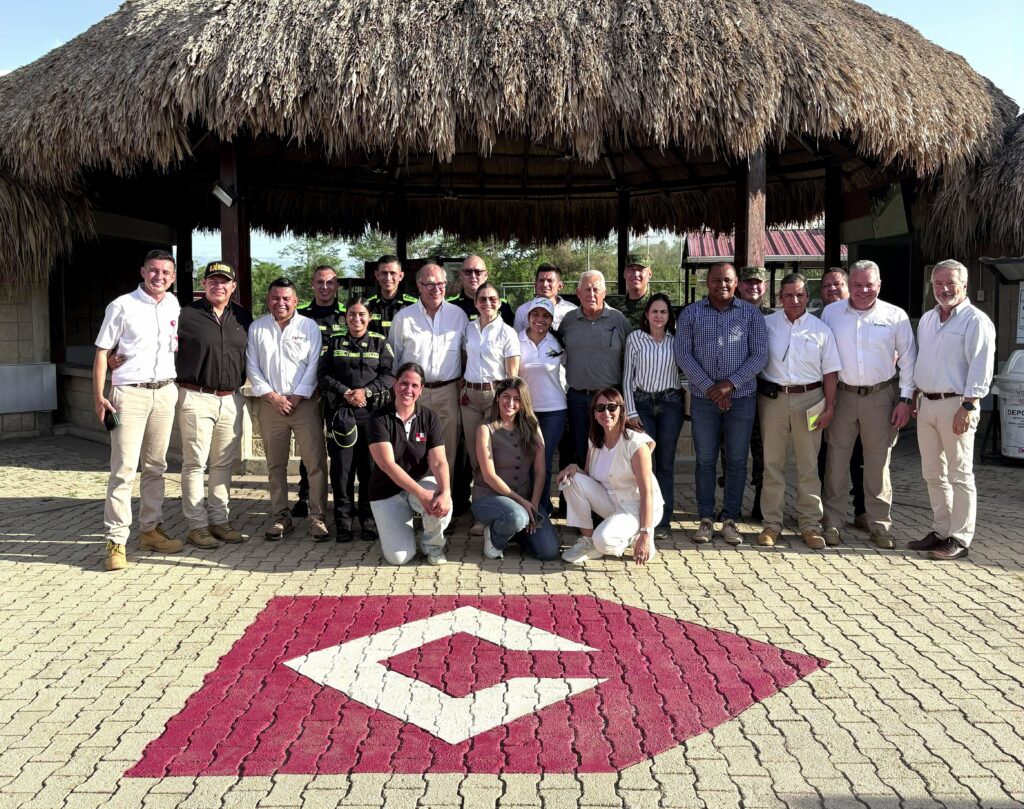
As part of its commitment to respecting human rights and exercising due diligence, Drummond Ltd. continues to strengthen its risk prevention and management mechanisms. This effort aligns with international standards and is driven by relationships based on dialogue and coordination with various stakeholders in its areas of influence.
Within this framework, the second phase of the “Toolkit for Identifying and ManagingSecurity and Human Rights Risks” was carried out. This initiative was developed by the Security and Human Rights Committee (CME Colombia) with the support of the Regional Center for Responsible Business and Entrepreneurship (CREER). It served as an exercise
to reflect on the risks prevailing in the rural communities of Las Palmitas and La Victoria
San Isidro—located in the municipality of La Jagua de Ibirico, Cesar—as case studies.
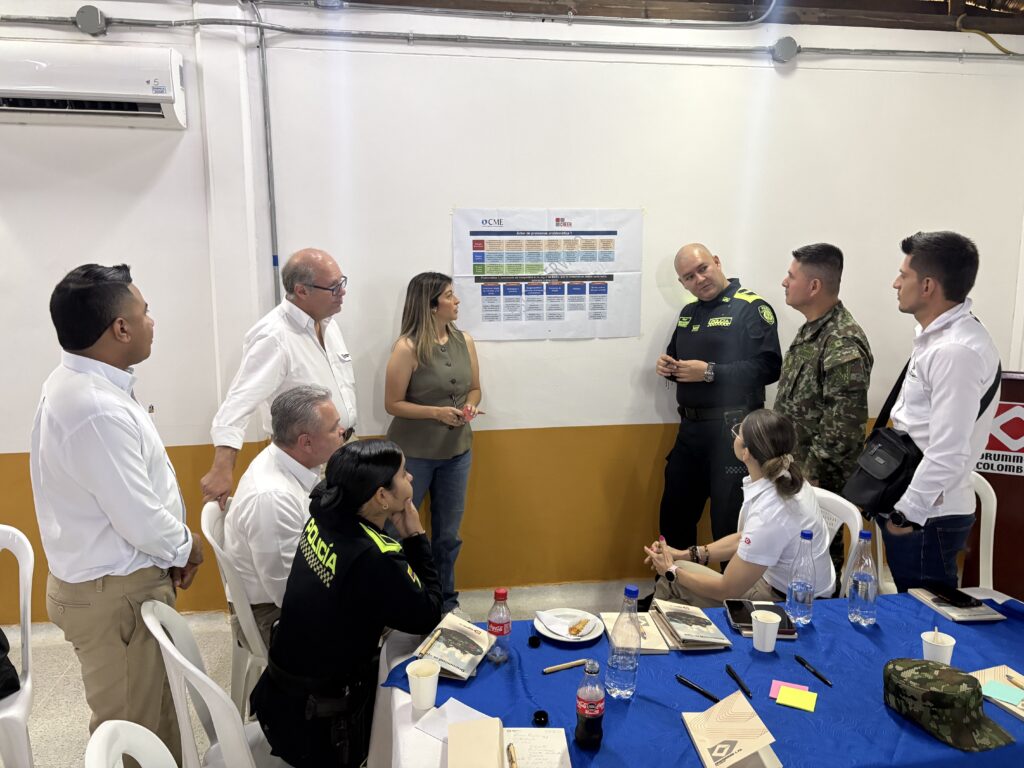
The event spanned two days at Drummond Ltd.’s mining operations and involved representatives from the company, public security forces, and officials from the La Jagua de Ibirico Mayor’s Office. It included the participation of civil
society stakeholders. Drummond Ltd. is a key participant in its implementation.
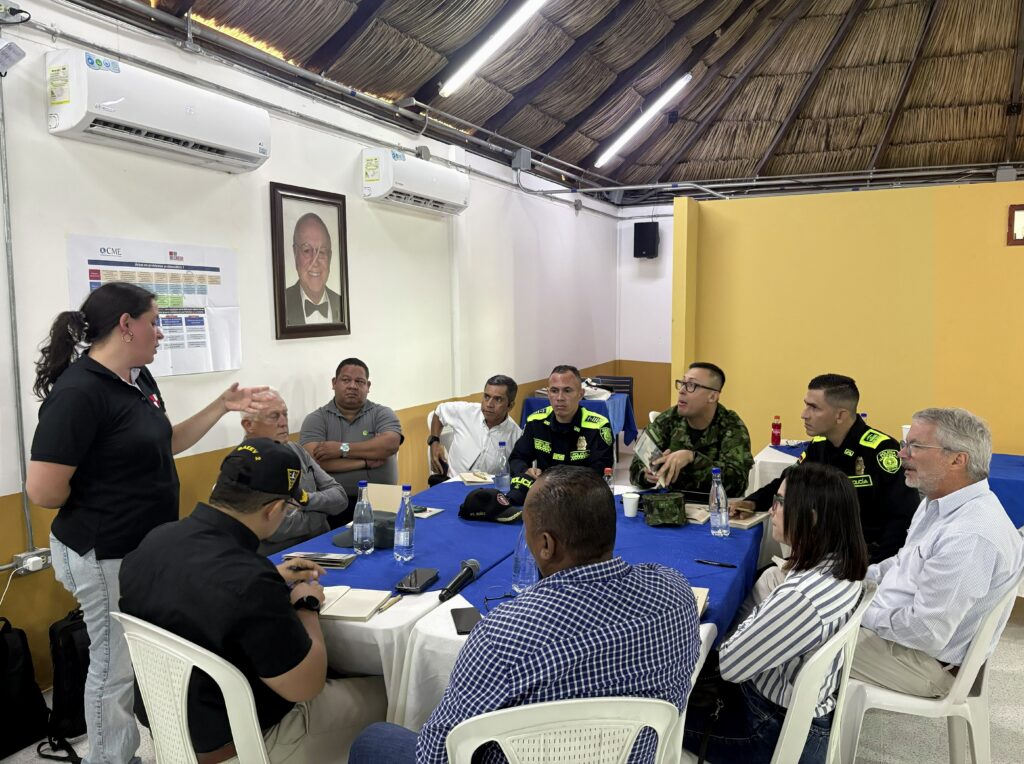
During the workshop, participants reviewed issues
identified in the area, their root causes, associated risks, and potential management measures, drawing on the diverse perspectives of those involved. The methodology addressed aspects such as public and citizen security, governance, the environment, and socioeconomic conditions, among other factors influencing the local context.
According to Pablo Urrutia, Vice President of Public Affairs and Communications at Drummond Ltd., this exercise helps strengthen the management of security and human rights- related risks and opens the door to applying this methodology in other regions. “We are working on theserisks and the methods to manage them; we hope that through this work, we can preventrisks from escalating into actual impacts regarding human rights and security. The goal isto manage them more responsibly and effectively, and eventually replicate this approachin other municipalities where we operate.”
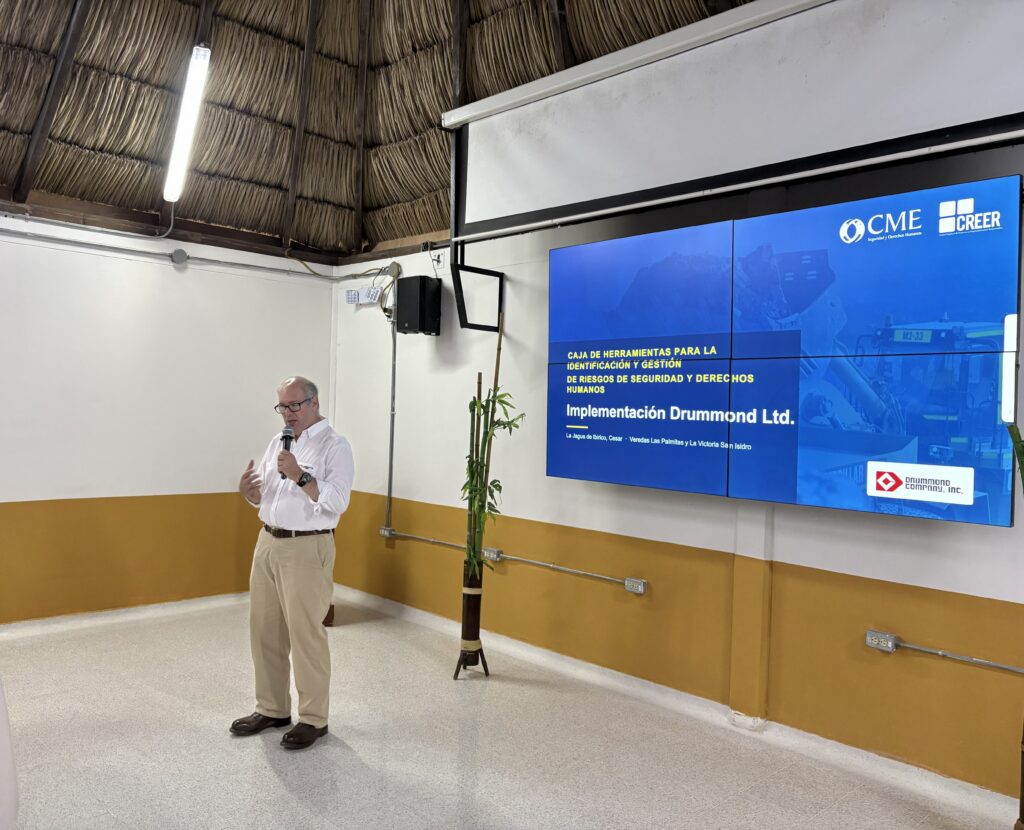
As a result of the exercise, participants made progress in defining mitigation measuresfor prioritized risks, establishing who is responsible for them and setting timelines for monitoring.
“The workshop aimed to—and succeeded in—reviewing the issues at hand, their root causes, the risks stemming from them, and the most appropriate management measures to address them,” explained José Rafael Unda, Manager of Ardura S.A.S. and a human rights advisor.
CME Executive Director Luz Stella Páez Cañón highlighted that the work made it possible
not only to identify and prioritize risks but also to advance concrete actions for managing
them. “We concluded a very important task: defining mitigation measures for the risks the group prioritized as having high impact in terms of both likelihood of occurrence and
severity”.
Viviana Arango Villegas, Director of Operations at CREER, emphasized the participation
of various institutional stakeholders and the opportunities for coordination that emerged
from the dialogue: “The conversation was highly productive, allowing us to find common
ground and determine how to coordinate our efforts to manage the identified risks”.
Meanwhile, Henry Álzate Pérez, Government Secretary of La Jagua de Ibirico, highlighted
the value of the methodology in identifying the causes and effects of the issues at hand:
“It provides us, as a local government entity, with tools to identify key problems and—
using a problem tree—trace their causes and effects, ultimately helping us resolve these
security and human rights conflicts.”
For his part, Lieutenant Colonel César Reyes Valencia, Commander of the Special Energy
and Road Battalion No. 2, noted: “Through these working groups, we gain insight into the
perspectives of the various institutions that will, in one way or another, contribute to the
progress of this great region”.
With this initiative, Drummond Ltd. and the participating stakeholders continue to advance the implementation of a tool designed to strengthen the identification, prioritization, and management of security and human rights risks through dialogue, contextual analysis, and coordination among the company, institutions, and other relevant local stakeholders.